
The Hidden Truth Why Women Over 40
The Hidden Truth Why Women Over 40 Aren’t Seeing a Toned Waist—And How to Fix It
You’ve cut carbs. You’ve tried cardio. You’ve skipped dessert, wine, and maybe even dinner. But your waist? Still soft. Still stubborn. Still not where you want it.
It’s frustrating, isn’t it? You scroll past another “before and after” photo and feel that familiar sting—Why her and not me? You’re not lazy. You’re not clueless. You’ve done everything they say to do. So why does your body feel like it’s stuck in reverse?
Julie, 48, a busy freelance writer, spent her days balancing deadlines and dishes—yet her waistline never seemed to change. Watching others shrink while she stayed the same left her discouraged and self-conscious, not knowing what to do. She tried to brush it off, but deep down, the struggle chipped away at her confidence.
Maybe you’ve started wondering if this is just how it is now. That a flat belly is something other women get. Younger women. Luckier women. Or the ones who somehow have time for three-hour gym sessions and a private chef.
Here’s the thing: it’s not your fault. And no, you don’t have to accept this version of your body if it doesn’t feel like you.
There’s a reason your old tricks aren’t working anymore—and once you understand what’s really going on, everything starts to shift.
Because this isn’t about working harder. It’s about working smarter—with your body, not against it.
Let’s break it all down—what’s really happening to your waistline, and more importantly, how to finally change it.
Let’s begin.
A. Calorie Restriction
Cut calories. Eat less. Shrink the waistline. That’s the formula, right?
Except…it’s not working.
You slash your portions. Swap lunch for a protein bar. Skip breakfast because “fasting is supposed to help.” But instead of shrinking, your body holds on tighter. The scale won’t budge—or worse, it climbs.
Here’s the truth: drastic calorie cutting doesn’t lead to a flatter belly after 40. It leads to a slower metabolism, more cravings, and less energy.
Drastic calorie cutting makes your body panic. It thinks there’s a famine. So it holds onto fat—especially around the waist. It breaks down muscle to survive. And muscle? That’s your body’s fat-burning engine. When you lose it, your metabolism crashes.
It’s not your fault. You followed the rules. But the rules weren’t made for a 40+ body.
Research shows that calorie restriction can induce a reduction in energy expenditure beyond what is expected from the loss of metabolic mass, leading to a slower metabolism and potential weight regain (Most et al.).
B. Excessive Cardio
You lace up. You hit the treadmill. You sweat buckets. Again. And again.
Cardio can feel productive. You’re moving, you’re drenched, and you’re tired. So why aren’t you seeing results in the mirror?
Here’s the kicker: cardio burns calories, yes—but it doesn’t build muscle.
Without muscles, there’s no long-term fat-burning. Even worse, too much cardio can spike cortisol, your stress hormone. And cortisol? It loves to store fat right around your belly button.
It’s like working double shifts and still not getting paid. You feel exhausted, but your body isn’t responding. That’s because cardio isn’t the magic bullet it once seemed. And that’s especially true at your age.
Research indicates elevated cortisol levels from chronic stress or excessive exercise can lead to increased abdominal fat accumulation (Epel et al.).
C. Low-Fat Diets
For years, fat was the villain. Butter? Bad. Avocado? Off-limits. Full-fat yogurt? Forget it.
But cutting fat doesn’t lead to a flatter belly—it often leads to more belly fat. Sounds backward, right?
Here’s why: healthy fats are essential for hormone production, especially estrogen.
When estrogen drops during perimenopause and menopause, your body shifts into fat-storing mode. If you strip out fats, you throw your hormones even further out of whack.
Plus, low-fat diets are usually high in sugar or refined carbs. That’s a recipe for insulin spikes—and insulin is a fat-storage hormone. This is especially dangerous when it’s on repeat.
So no, ditching fat isn’t the fix. In fact, it could be making things worse.
Based on scientific research, low-fat diets can decrease levels of circulating estrogen and testosterone in premenopausal women, potentially disrupting hormonal balance (Wang et al.).

I. Conventional Approaches Most Women Try—and Why They Fall Short
A. Calorie Restriction
Cut calories. Eat less. Shrink the waistline. That’s the formula, right?
Except…it’s not working.
You slash your portions. Swap lunch for a protein bar. Skip breakfast because “fasting is supposed to help.” But instead of shrinking, your body holds on tighter. The scale won’t budge—or worse, it climbs.
Here’s the truth: drastic calorie cutting doesn’t lead to a flatter belly after 40. It leads to a slower metabolism, more cravings, and less energy.
Drastic calorie cutting makes your body panic. It thinks there’s a famine. So it holds onto fat—especially around the waist. It breaks down muscle to survive. And muscle? That’s your body’s fat-burning engine. When you lose it, your metabolism crashes.
It’s not your fault. You followed the rules. But the rules weren’t made for a 40+ body.
Research shows that calorie restriction can induce a reduction in energy expenditure beyond what is expected from the loss of metabolic mass, leading to a slower metabolism and potential weight regain (Most et al.).
B. Excessive Cardio
You lace up. You hit the treadmill. You sweat buckets. Again. And again.
Cardio can feel productive. You’re moving, you’re drenched, and you’re tired. So why aren’t you seeing results in the mirror?
Here’s the kicker: cardio burns calories, yes—but it doesn’t build muscle.
Without muscles, there’s no long-term fat-burning. Even worse, too much cardio can spike cortisol, your stress hormone. And cortisol? It loves to store fat right around your belly button.
It’s like working double shifts and still not getting paid. You feel exhausted, but your body isn’t responding. That’s because cardio isn’t the magic bullet it once seemed. And that’s especially true at your age.
Research indicates elevated cortisol levels from chronic stress or excessive exercise can lead to increased abdominal fat accumulation (Epel et al.).
C. Low-Fat Diets
For years, fat was the villain. Butter? Bad. Avocado? Off-limits. Full-fat yogurt? Forget it.
But cutting fat doesn’t lead to a flatter belly—it often leads to more belly fat. Sounds backward, right?
Here’s why: healthy fats are essential for hormone production, especially estrogen.
When estrogen drops during perimenopause and menopause, your body shifts into fat-storing mode. If you strip out fats, you throw your hormones even further out of whack.
Plus, low-fat diets are usually high in sugar or refined carbs. That’s a recipe for insulin spikes—and insulin is a fat-storage hormone. This is especially dangerous when it’s on repeat.
So no, ditching fat isn’t the fix. In fact, it could be making things worse.
Based on scientific research, low-fat diets can decrease levels of circulating estrogen and testosterone in premenopausal women, potentially disrupting hormonal balance (Wang et al.).
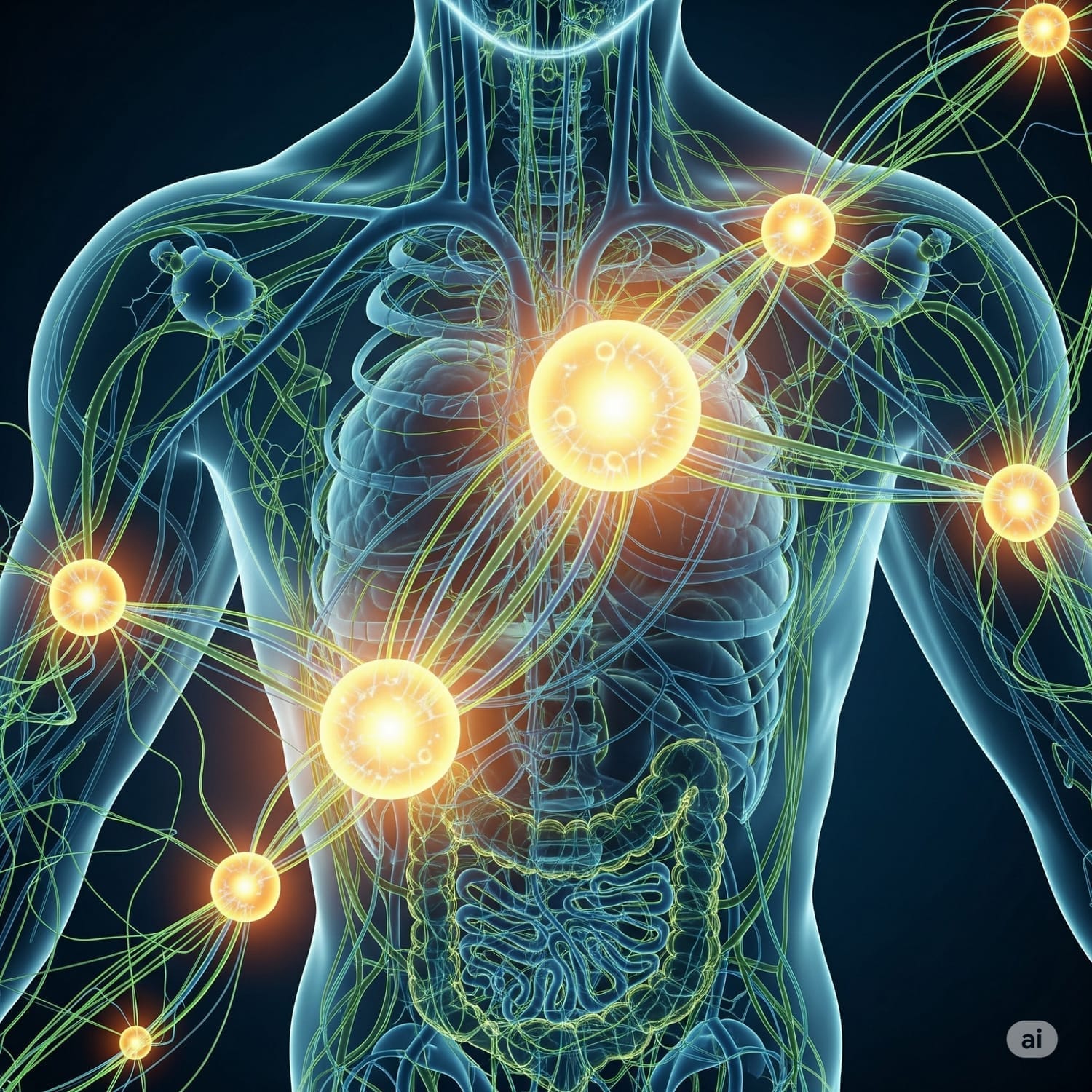
II. The Real Culprit: Hormonal Resistance and Muscle Loss
It’s not about discipline. It’s not about willpower. It’s about biology.
After 40, your body starts to change in quiet, sneaky ways.
Estrogen dips. Testosterone takes a back seat. Insulin becomes less effective. And muscle? It slips away like sand through your fingers.
This isn’t just about numbers on a chart—it’s why your waistline suddenly feels puffier. Softer. Wider.
A. Estrogen Decline
Estrogen helps keep fat distributed more evenly—hips, thighs, bust. When it drops, fat starts migrating. And guess where it settles?
Right around your middle.
That’s not just frustrating. It’s emotional. Clothes fit differently. You don’t recognize your reflection. You feel like your body betrayed you—but it didn’t. It’s just following a new hormonal map.
According to research, during menopause, declining estrogen levels are associated with an increase in visceral fat accumulation, particularly in the abdominal region (Kadoth et al.).
B. Insulin Resistance
Insulin tells your body how to use sugar. But as you age, your cells stop listening. Insulin starts shouting. Sugar doesn’t get burned—it gets stored. And where does it go? Belly fat. Deep, visceral fat. The kind that clings to your organs and fights every effort to leave.
You might not be eating more sugar. You might even be “eating clean.” But if your body can’t process it properly, the fat still piles on.
Research shows that visceral adiposity is strongly associated with insulin resistance in aging individuals, contributing to increased fat storage in the abdominal area (Kelley et al.).
C. Muscle Loss
Here’s what most people miss: muscle isn’t just for lifting weights. It’s your metabolic power plant. The more muscle you have, the more fat you burn—even at rest.
But starting in your 30s and accelerating in your 40s, you lose muscle mass. Naturally. Quietly. And that loss makes your body more sluggish and less responsive to every effort you’re making.
So if it feels like your workouts are less effective, your diet less impactful—it’s not in your head. It’s in your muscles.
Scientific studies indicate that muscle mass decreases approximately 3–8% per decade after the age of 30, accelerating after 60, leading to reduced metabolic rate (Volpi et al.).

III. The Smarter Way to a Toned Waist
Let’s shift gears. Because the old rules aren’t working. And you deserve new ones.
This isn’t about eating less and moving more. It’s about nourishing, strengthening, and supporting your body so it works with you, not against you.
A. Strength Training
Want to speed up your metabolism, burn fat, and sculpt your waist? Don’t run harder. Lift heavier.
Strength training is the secret sauce most women over 40 are missing. It rebuilds lost muscle. It wakes up a sluggish metabolism. It keeps bones strong, joints happy, and hormones balanced.
And no—you won’t “bulk up.” That’s a myth. Women don’t have enough testosterone for that.
Instead, strength training creates tone.
Tone is simply definition, curves, in the right places. You’ll feel stronger. Stand taller. And yes—your waist will start to reappear.
Start small. Bodyweight squats. Dumbbell rows. Resistance bands. Do these two or three sessions a week. You don’t need a gym. You don’t need to kill yourself. You just need consistency.
According to research, strength training in women over 40 helps preserve muscle mass, improve metabolic health, and reduce visceral fat accumulation (National Institute on Aging).
Let’s shift gears. Because the old rules aren’t working. And you deserve new ones.
This isn’t about eating less and moving more. It’s about nourishing, strengthening, and supporting your body so it works with you, not against you.
A. Strength Training
Want to speed up your metabolism, burn fat, and sculpt your waist? Don’t run harder. Lift heavier.
Strength training is the secret sauce most women over 40 are missing. It rebuilds lost muscle. It wakes up a sluggish metabolism. It keeps bones strong, joints happy, and hormones balanced.
And no—you won’t “bulk up.” That’s a myth. Women don’t have enough testosterone for that.
Instead, strength training creates tone.
Tone is simply definition, curves, in the right places. You’ll feel stronger. Stand taller. And yes—your waist will start to reappear.
Start small. Bodyweight squats. Dumbbell rows. Resistance bands. Do these two or three sessions a week. You don’t need a gym. You don’t need to kill yourself. You just need consistency.
According to research, strength training in women over 40 helps preserve muscle mass, improve metabolic health, and reduce visceral fat accumulation (National Institute on Aging).
B. Low-Carb or Keto-Inspired Eating
Forget starving. Forget obsessing. Instead, shift your fuel source.
When you reduce carbs and focus on protein and healthy fats, your insulin levels drop. That gives your body permission to tap into stored fat—especially stubborn belly fat.
It’s not magic. It’s chemistry.
Keto doesn’t have to mean bacon-wrapped everything. Think grilled salmon with avocado. Chicken stir-fry with coconut oil. Eggs with leafy greens and olive oil. Delicious. Satisfying. Hormone-friendly.
And because fat and protein keep you fuller longer, you stop riding the blood sugar roller coaster that leads to cravings and crashes.
It’s a calm, steady burn instead of a chaotic sprint.
Ready to try delicious, easy keto-inspired meals that support your toned waist goals? We've compiled a collection of our favorites.
Based on scientific evidence, low-carbohydrate diets have been shown to reduce abdominal and visceral fat, improving insulin sensitivity and promoting fat loss (Gower et al.).
C. Stress Management and Sleep
This might be the most overlooked fix of all.
Why? Because even if your food and workouts are on point, chronic stress will sabotage your waistline. Cortisol, your stress hormone, isn’t just a mood killer. It’s a fat-hoarder—especially around your belly.
If you're always wired, always rushing, always worrying, your body lives in fight-or-flight mode. And it stores fat for protection.
It’s the same with sleep. If you miss out on deep rest, your hunger hormones (ghrelin and leptin) go haywire. You feel hungrier, crave sugar, then your body holds fat like it’s prepping for winter.
Start protecting your peace like it’s your waistline’s best friend—because it is.
Breathe. Walk. Laugh. Sleep 7–8 hours a night. Not just because it feels good—but because it works.
Science indicates that chronic stress elevates cortisol levels, leading to increased abdominal fat storage (Epel et al.).
Plus, research shows sleep deprivation disrupts the balance of hunger hormones, increasing ghrelin and decreasing leptin, which can lead to increased appetite and weight gain (Spiegel et al.).
Forget starving. Forget obsessing. Instead, shift your fuel source.
When you reduce carbs and focus on protein and healthy fats, your insulin levels drop. That gives your body permission to tap into stored fat—especially stubborn belly fat.
It’s not magic. It’s chemistry.
Keto doesn’t have to mean bacon-wrapped everything. Think grilled salmon with avocado. Chicken stir-fry with coconut oil. Eggs with leafy greens and olive oil. Delicious. Satisfying. Hormone-friendly.
And because fat and protein keep you fuller longer, you stop riding the blood sugar roller coaster that leads to cravings and crashes.
It’s a calm, steady burn instead of a chaotic sprint.
Ready to try delicious, easy keto-inspired meals that support your toned waist goals? We've compiled a collection of our favorites.
Based on scientific evidence, low-carbohydrate diets have been shown to reduce abdominal and visceral fat, improving insulin sensitivity and promoting fat loss (Gower et al.).
C. Stress Management and Sleep
This might be the most overlooked fix of all.
Why? Because even if your food and workouts are on point, chronic stress will sabotage your waistline. Cortisol, your stress hormone, isn’t just a mood killer. It’s a fat-hoarder—especially around your belly.
If you're always wired, always rushing, always worrying, your body lives in fight-or-flight mode. And it stores fat for protection.
It’s the same with sleep. If you miss out on deep rest, your hunger hormones (ghrelin and leptin) go haywire. You feel hungrier, crave sugar, then your body holds fat like it’s prepping for winter.
Start protecting your peace like it’s your waistline’s best friend—because it is.
Breathe. Walk. Laugh. Sleep 7–8 hours a night. Not just because it feels good—but because it works.
Science indicates that chronic stress elevates cortisol levels, leading to increased abdominal fat storage (Epel et al.).
Plus, research shows sleep deprivation disrupts the balance of hunger hormones, increasing ghrelin and decreasing leptin, which can lead to increased appetite and weight gain (Spiegel et al.).
IV. Common Objections—And the Real Truth
“But won’t lifting weights make me bulky?”
Short answer: No.
Long answer: Absolutely not.
Building visible, bulky muscle requires intense training, a specific
diet, and often hormone manipulation. You won’t stumble into bulk
by accident. What you will get is strength, shape, and a faster metabolism.
Muscle isn’t masculine—it’s magic. It smooths, lifts, sculpts. It’s the missing piece between “skinny” and “toned.” Plus, it’s necessary as you age.
Based on research, strength training in women leads to increased muscle tone and metabolic rate without significant increases in muscle size due to lower testosterone levels (Westcott).
“Keto sounds so extreme. I don’t want to give up everything I love.”
That’s fair. But you don’t have to.
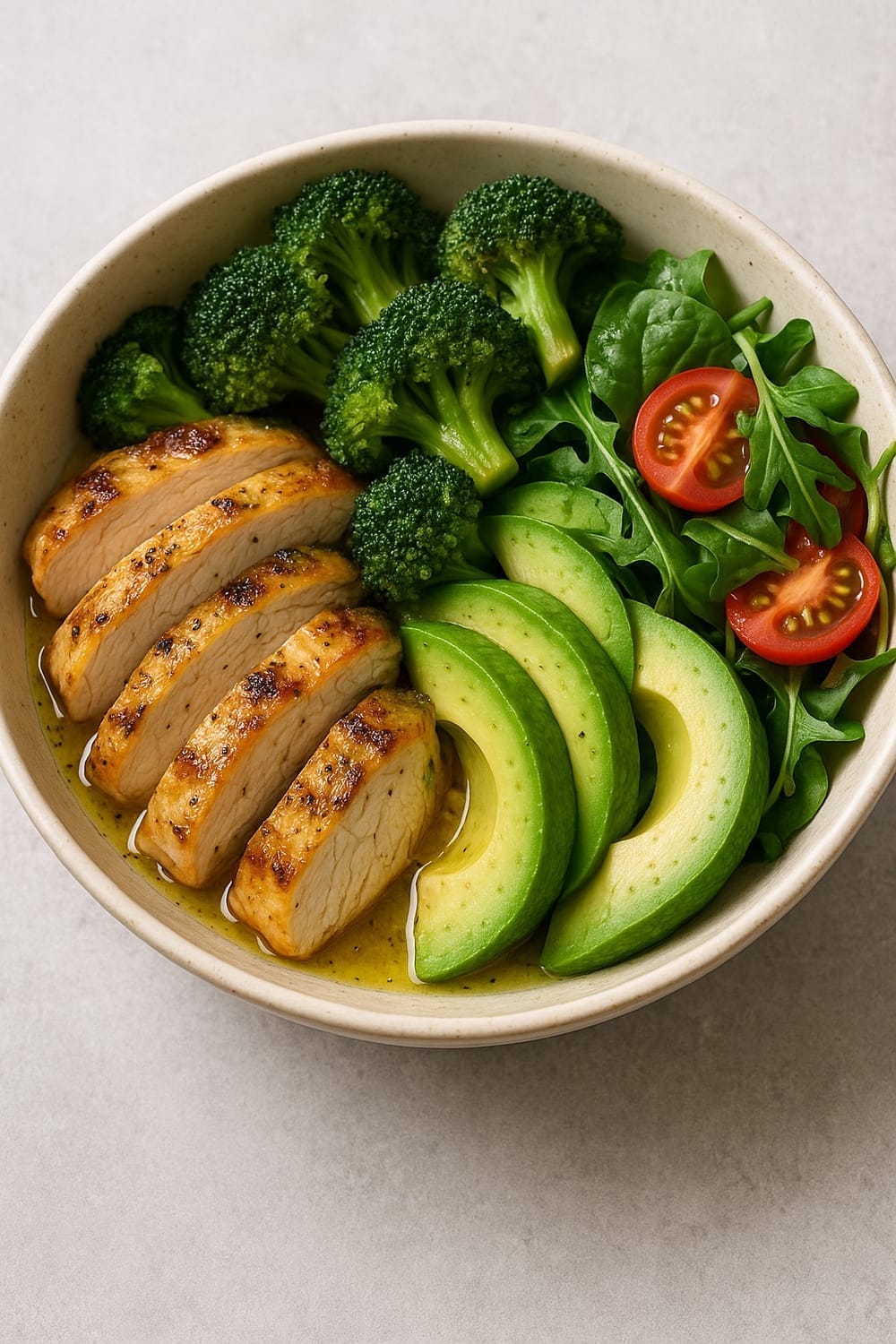
You don’t need to dive into full keto overnight. Think of it as a low-carb lifestyle—not a punishment. Start with small swaps. Cut back on bread and pasta. Add more eggs, fish, avocado, and greens. Focus on what you can eat, not what you can’t.
This isn’t about deprivation. It’s about freedom—from cravings, from bloat, from constant hunger. Once your body adjusts, it runs cleaner and more efficiently. That’s what creates lasting change.
According to research, gradual reduction in carbohydrate intake can improve insulin sensitivity and reduce cravings, making dietary changes more sustainable (Ludwig et al.).
“It’s too late for me. I’m in my 50s. My metabolism is shot.”
That’s the biggest lie women over 40 are told.
Your metabolism isn’t dead—it’s just dormant. And you can wake it up.
Muscle is the key. Protein is the fuel. Smart movement and balanced hormones are the roadmap.
Women in their 50s, 60s, even 70s are transforming their bodies—not by starving, but by strengthening. Not by shrinking, but by rebuilding.
You’re not behind. You’re right on time.
Scientific evidence shows that strength and resistance training can significantly improve muscle mass, insulin sensitivity, and metabolic health in older adults, regardless of age (Hunter et al.).
V. How to Get Started—Even If You Feel Stuck
You don’t need to change your whole life overnight. You just need direction.
Here’s a simple three-step formula to begin:
Step 1: Prioritize Protein and Healthy Fats
Start each meal with protein—eggs, chicken, salmon, tofu. Add healthy fats like olive oil, avocado, or nuts. Fill in with non-starchy veggies.
This combo balances blood sugar, tames hunger, and supports lean muscle.
For practical meal ideas that make prioritizing protein and healthy fats simple and delicious, be sure to grab your free "21 Free Keto Recipes" eBook here!
Research shows diets high in protein and healthy fats promote satiety, help preserve muscle mass, and improve fat oxidation (Leidy et al.).
Step 2: Lift Something—Twice a Week
Strength training doesn’t have to be complicated.
You don’t need a gym. You don’t need fancy equipment. You just need resistance and your commitment.
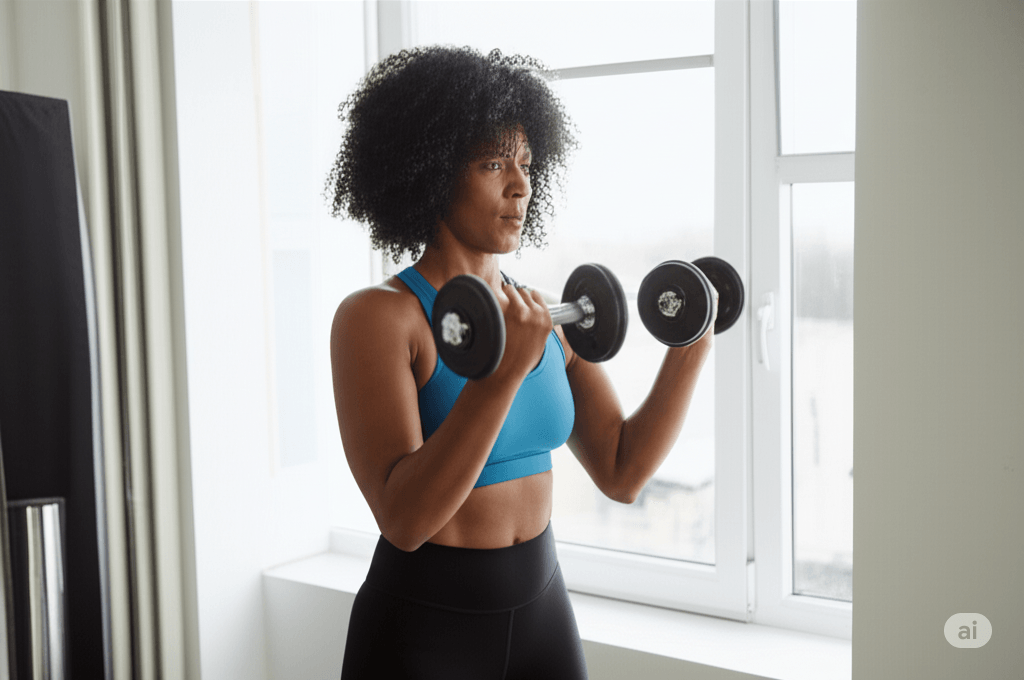
Think bodyweight squats. Chair dips. Push-ups. Resistance bands. Light dumbbells.
Aim for full-body strength workouts twice a week. If that’s too much, start with one. Think about progress, not perfection.
There’s scientific evidence to show that even minimal strength training (1–2 times per week) has significant benefits for muscle preservation and metabolic function in older women (Seguin &
Nelson).
Step 3: Protect Your Sleep and Manage Stress
Treat sleep like a priority, not a luxury. Aim for 7–8 hours. Keep a consistent bedtime. Wind down with a book or a calming routine.
And take stress seriously. Breathwork. Meditation. Walks in nature. Saying no when needed. These aren’t indulgences—they’re necessities.
Sleep and stress management are key regulators of metabolic health, influencing hormones related to hunger, fat storage, and insulin sensitivity (Tasali et al.).

VI. The Bottom Line: You’re Not Broken—You’re Built Differently Now
Here’s what no one tells you: Your body isn’t broken. It’s evolving.
Your body isn’t fighting you—it’s trying to adapt. It’s wiser now, more complex, more sensitive to stress, sugar, and sleep deprivation. But it also responds beautifully to strength, nourishment, and calm.
You don’t need to chase skinny. You don’t need to punish yourself into results.
You just need to understand your body’s new language—and work with it.
Muscle is your secret weapon. Protein is your fuel. Sleep and peace are your reset buttons. And fat? It’s not the enemy. It’s the messenger telling you something’s off.
You’re not stuck. You’re not too late. You’re just ready for a smarter approach.
One that works with your hormones. Honors your phase of life. And finally gives you back the waist—and the confidence—you deserve.
To help you immediately put these new rules into practice, we've created a complimentary resource: Download "21 Free Keto Recipes" now and discover simple, satisfying meals that fit your new, smarter approach to feeling at home in your skin.
Empowering women to adopt strength-based, nutrition-focused strategies after 40 can significantly improve body composition, metabolic health, and self-esteem (McTiernan et al.).
What If This Time… It Actually Works?
Maybe you’ve stared into the mirror, tugging at the waistband of your jeans, wondering how the heck your body changed without your permission.
Maybe you’ve scrolled through transformation photos, thinking, What’s wrong with me? Why isn’t it happening for me?
And maybe—just maybe—you’ve had moments when you told yourself, “Maybe this is just how it is now,” while your heart whispered, Please don’t let that be true.
If that’s where you are, you’re not alone. Not even close.
Remember Julie, 48, the busy freelance writer? Her days were a blur of deadlines and dishes, her mind a whirlwind of words. Yet, through it all, her waistline remained stubbornly the same, a constant source of quiet discomfort. She'd scroll through social media, a pang of envy hitting her as she saw others' effortless transformations.
Hope for her own body felt like a fragile thing, easily shattered. Then, she stumbled upon "The Hidden Truth Why Women Over 40 Aren’t Seeing a Toned Waist—And How to Fix It."
It wasn't about deprivation or endless cardio; it spoke of hormones, muscle, and balance. It was the missing piece, and for the first time in years, Julie saw a path to reclaim her body and her confidence.
Here’s what you need to hear right now: there’s nothing wrong with your willpower. You’re not lazy. You’re not broken. You’ve been playing by rules that no longer serve the woman you’ve become.
But now? You’ve got new rules. A fresh understanding. Real insight into what’s actually been working against you—and more importantly, how to work with your body, not against fight it.
You’ve learned that endless cardio, starvation tactics, and low-fat everything are a trap. That hormones shift, muscle matters, and stress steals more than sleep—it steals your shape. That strength training, protein, rest, and balance are the keys to a waist that feels like you again.
But this isn’t just about the mirror. This is about how you feel walking into a room. How you carry yourself when no one’s watching. How it feels to zip up a dress and smile at your reflection instead of sighing.
This is your moment to stop shrinking yourself to fit into old expectations—and start rising into the strongest, fiercest version of you yet.
So if your body has felt like a mystery… if envy has whispered that you’re behind… if hope has felt too fragile to hold onto – Let this be the moment you reclaim it.
You can have a toned waist. You can feel at home in your skin again. You can make peace with your reflection.
And you’re not starting from scratch—you’re starting from wisdom.
Now go. Show your body the respect, love, and power it deserves.
She’s been waiting for you to believe in her again.
And now… you do.
Reference List
Hunter, Gary R., et al. “Resistance Training Conserves Fat-Free Mass and Resting Energy Expenditure Following Weight Loss.” Obesity, vol. 16, no. 5, 2008, pp. 1045–1051. Source
Leidy, Heather J., et al. “The Role of Protein in Weight Loss and Maintenance.” The American Journal of Clinical Nutrition, vol. 101, no. 6, 2015, pp. 1320S–1329S. Source
McTiernan, Anne, et al. “Exercise Effect on Weight and Body Fat in Men and Women.” Obesity, vol. 15, no. 6, 2007, pp. 1496–1512. Source
McTiernan, Anne, et al. “Exercise Effect on Weight and Body Fat in Men and Women.” Obesity, vol. 15, no. 6, 2007, pp. 1496–1512. Source
Seguin, Rebecca, and Miriam E. Nelson. “The Benefits of Strength Training for Older Adults.” American Journal of Preventive Medicine, vol. 25, no. 3, 2003, pp. 141–149. Source.
Tasali, Esra, et al. “Insufficient Sleep Undermines Dietary Efforts to Reduce Adiposity.” Annals of Internal Medicine, vol. 153, no. 7, 2010, pp. 435–441. Source
JOIN MY MAILING LIST
Ketogenicaid
All rights reserved © 2025 ketogenicaid