
7 Hidden Reasons You’re Gaining Weight After 40 (And Simple Fixes That Actually Work)
You’re eating salads. You’re hitting the gym. You’re skipping dessert.
You’ve been doing everything right, so why does the number on the scale keep creeping up? It’s an infuriating and confusing battle. You’ve tried all the standard advice—eat less, move more—but it’s just not working.
You’re left wondering, "Is something wrong with my body? Has my metabolism just given up on me?"
Monica, a 46-year-old marketing consultant, knows that feeling all too well. She worked out daily and carefully watched what she ate. Yet, the scale kept climbing. Frustrated and confused, she feared something was fundamentally “wrong” with her body or metabolism. Then she found this article and felt a rush of relief. It wasn’t her fault, and best of all, it was fixable.
We hear you. That feeling of frustration and fear is real. You are not alone in this.
But here’s a radical thought: What if it's not your fault at all? What if the real reasons for your weight gain are hidden in plain sight, far from the usual suspects like diet and exercise?
The good news is, these are simple, surprising, and fixable problems.
It’s time to stop fighting a losing battle.
Let’s get to the truth and uncover the hidden culprits—and the simple fixes that actually work.
Lorem ipsum dolor sit amet, consectetur adipisicing elit. Autem dolore, alias, numquam enim ab voluptate id quam harum ducimus cupiditate similique quisquam et deserunt, recusandae.
1. The Hidden Tax on Your Willpower
Your life is a never-ending stream of choices. What to wear, what to say in that email, which school to choose, which bills to pay first. By the time you get home, your brain is utterly exhausted.
This isn't laziness; it's a real psychological phenomenon called decision fatigue [2].
Your willpower is like a muscle, and you've been flexing it all day long. When you finally stand in front of your fridge, that "muscle" is spent. You don’t have the mental energy left to chop vegetables, prepare a healthy protein, and assemble a balanced meal. The path of least resistance—takeout, processed food, or cereal for dinner—is just too tempting.
It feels completely backwards, doesn't it? You might blame yourself for not having the discipline, but it’s not about discipline at all.
It's about being mentally drained, like a brain on a low battery. You’re not a robot; you’re a person with a finite amount of mental energy. The less energy you have for making decisions, the more likely you are to make poor, impulsive choices, especially with food.

An illustration of a brain with a low battery icon, surrounded by thought bubbles of different daily choices.
The Simple Fix: Automate Your Nutrition
The most effective way to combat decision fatigue is to take the decision out of your hands before the fatigue sets in. This is where meal planning becomes your superpower. You don’t have to cook every meal for the entire week; even a small amount of prep can make a huge difference.
Take just one hour on Sunday. That's it. An hour to plan out your meals and snacks for the next three or four days.
You could simply choose a few go-to meals you know are healthy and easy to prepare. Maybe it's a large batch of roasted chicken and veggies that you can eat for a couple of days, or a big pot of soup you can reheat in minutes. This one simple step shifts the mental load from your tired, end-of-day self to your rested, weekend self.
When you get home from a long day, you won't have to think; you'll just have to eat. You've already made the right choice, hours or even days ago. This small shift gives your willpower a much-needed break and puts you back in the driver's seat.
Your takeaway: A planned meal is a choice you never have to make when you're tired.
2. When Stress Itself Is the Problem
You know that stress is bad for you, but you might not realize just how directly it impacts your waistline. When you're constantly under stress, your body releases a hormone called cortisol [9].
Cortisol is incredibly useful in short bursts—it gives you the energy to deal with a sudden threat. But when you’re dealing with chronic stress—from a demanding job, family pressures, or financial worries—your cortisol levels stay elevated. This high level of cortisol encourages your body to store fat, particularly in your abdomen, creating what is sometimes referred to as “cortisol belly.”
This is another insidious trap. You might be eating well and exercising, but if you’re not managing your stress, your body is working against you. It's like trying to run a race with the brakes on.
You might think you're "decompressing" by scrolling on your phone or watching TV, but these passive activities don't actually lower your cortisol levels. It’s not that you're stressed because you're a worrier; it's that stress is a physical thing, and it's doing a physical job on your body.

A professional woman in a suit, looking stressed at her desk, with a visual overlay of fat accumulating around her midsection.
The Simple Fix: Practice Intentional Relaxation
You can't eliminate stress from your life, but you can build a shield against it. The key is to engage in intentional relaxation. This isn't about watching a movie; it’s about a deliberate practice that signals to your body that it is safe and can lower its guard [10]. This can be as simple as:
A 10-minute daily meditation
A quiet walk outside in nature
Sitting with a cup of tea, with your phone in a different room
The key is consistency. Make it a non-negotiable part of your routine, just like brushing your teeth. You can also incorporate deep breathing exercises. Just a few minutes of deep, diaphragmatic breathing can calm your nervous system and help lower your cortisol levels.
It might feel like a small thing, but a consistent practice of intentional relaxation is a powerful tool. It’s not just about managing your mind; it’s about helping your body release the stress that's holding on to excess weight.
Your takeaway: When you give your mind a break, your body will finally stop hitting the brakes.
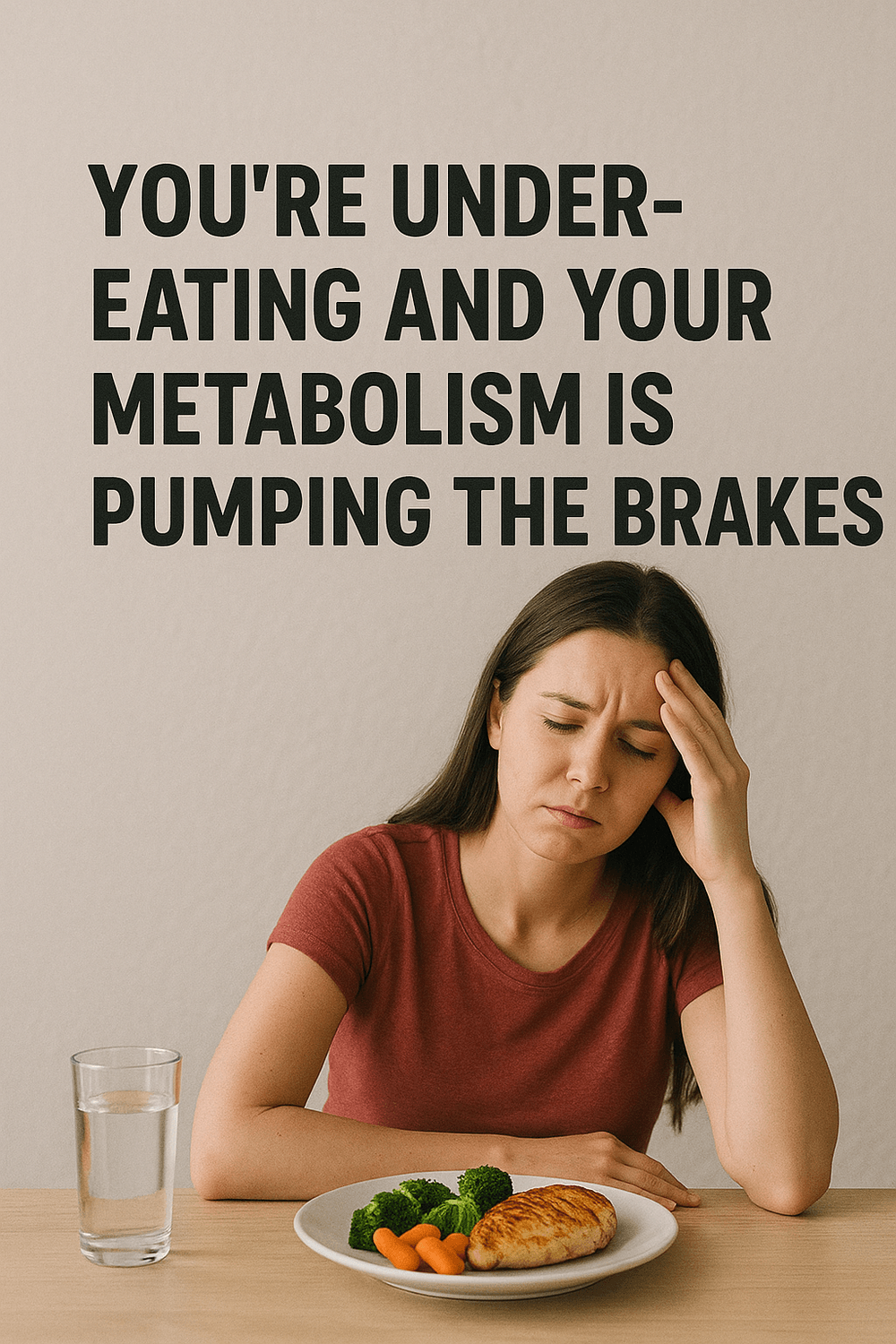
3. You're Under-Eating and Your Metabolism Is Pumping the Brakes
This is perhaps the most frustrating and counterintuitive point on this list. You’ve been told for decades that the path to weight loss is a simple equation: calories in versus calories out. So you eat less, cut out whole food groups, and watch your calories like a hawk. You feel a sense of control, a sense of sacrifice. But instead of the scale going down, it stalls. Or worse, it starts to go up.
Why? Because your body is a survival machine. When you drastically cut calories, your body interprets this as a state of famine. It thinks food is scarce and that it needs to prepare for the long haul. So what does it do? It slows down your metabolism, a process known as adaptive thermogenesis [3]. This means your body becomes incredibly efficient at using the few calories you give it, making it much harder to burn fat.
It’s a defense mechanism, a brilliant evolutionary strategy to keep you alive during lean times. This feels like a betrayal from your own body, but you're not failing at dieting; your body is simply succeeding at its job of keeping you alive.
The Simple Fix: Fuel Your Body Strategically
You can’t starve your way to a healthy metabolism. You have to nourish it. This means shifting your focus from eating less to eating smarter. Instead of focusing on calorie counts, focus on nutrient density. Prioritize protein and healthy fats at every meal.
Protein is crucial because it helps maintain lean muscle mass, which is a major driver of your metabolism. The more muscle you have, the more calories you burn, even at rest. Don’t skip meals or opt for a sad, low-calorie salad with no substance.
Instead, make sure every meal has a source of protein and healthy fats. Here are a few ideas:
Breakfast: Eggs and avocado.
Lunch: Chicken breast and roasted veggies
Dinner: Salmon with sweet potatoes
These foods keep you full, help stabilize your blood sugar, and provide the building blocks your body needs to keep its engine running hot. You’ll be surprised at how much more energy you have and how much less you think about food when you’re properly fueled.
"Ready to stop the starvation cycle and nourish your body the right way? Download your FREE copy of '21 Free Keto Recipes' to discover delicious, fat-burning meals that satisfy your cravings and fuel your metabolism."
Your takeaway: To speed up your metabolism, you have to feed it..
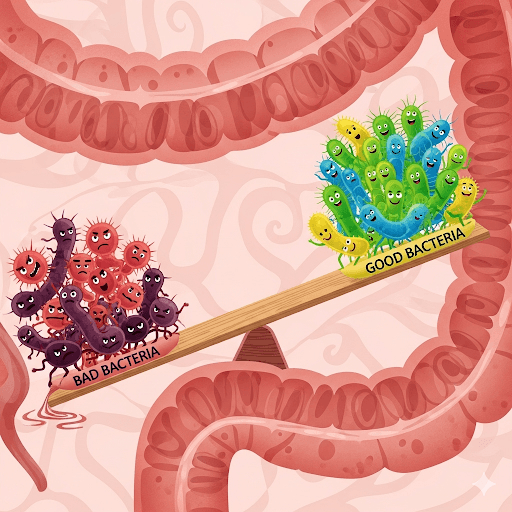
4. Your Gut Health Is Out of Balance
You’ve probably heard about the gut microbiome, but you might not realize just how much it controls. It's an entire ecosystem living inside you, a teeming metropolis of trillions of bacteria, and its influence goes far beyond digestion [4]. The balance of these microbes directly affects your metabolism, appetite, and how your body stores fat.
Think of it like a delicate seesaw: on one side are the "good" bacteria that help you burn fat, and on the other are the "bad" bacteria that can encourage fat storage and sugar cravings.
Over years of consuming processed foods, taking antibiotics, and dealing with everyday stress, this delicate balance can get completely out of whack. When the "bad" guys take over, they can send signals to your brain that increase your cravings for unhealthy foods.
Research shows that imbalances in the ratio of certain gut bacteria, such as a higher ratio of Firmicutes to Bacteroidetes, are linked to a greater ability to extract calories from food, which can lead to weight gain [5]. Your body is trying to tell you something with those cravings, and it might just be that your internal ecosystem needs some help.
The Simple Fix: Diversify Your Diet
The fastest way to restore balance to your gut is to feed the good guys what they love: fiber. But it’s not just about eating fiber; it’s about eating a wide variety of fiber. Different types of plants contain different types of fiber, and each type feeds a unique strain of beneficial bacteria. This is why you can’t just live on spinach and expect results.
Think about a plant rainbow. Incorporate a wide variety of colorful vegetables, fruits, legumes, nuts, and seeds into your diet. Introduce fermented foods like kimchi, sauerkraut, and yogurt to directly replenish your gut with beneficial bacteria. These foods contain probiotics that act like a welcome wagon for new, healthy microbes.
It might sound like a major change, but it’s really about adding, not
subtracting. Start small. Add a new vegetable to your plate each week. Swap a sugary drink for a fermented tea like kombucha. These little changes can have a huge impact, helping to rebalance your gut and put you back on a path to a healthier metabolism.
"Want to fill your plate with delicious, gut-friendly meals that taste amazing and help you lose weight? Get our '21 Free Keto Recipes' and see how simple and satisfying healthy eating can be!"
Your takeaway: A diverse diet feeds a diverse gut, and that's the secret to a healthy metabolism.
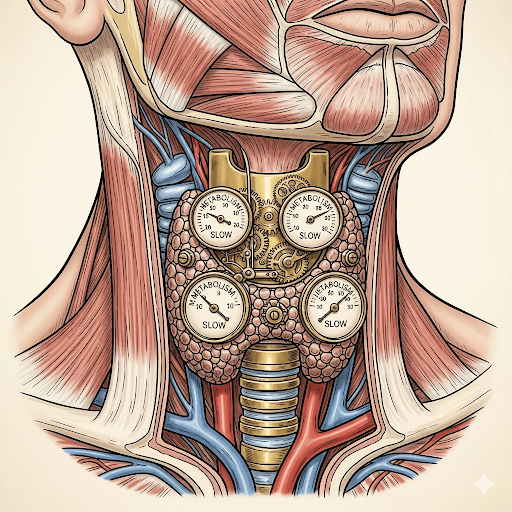
5. Your Thyroid Is Taking a Vacatione
This is a major issue that so many women over 40 face, and it's often misdiagnosed or completely missed. Your thyroid is a small gland located in your neck, and it acts as the master regulator of your metabolism. It produces hormones that tell every cell in your body how fast to work.
When it’s working correctly, your metabolism hums along efficiently. But when it becomes underactive, a condition known as hypothyroidism, it’s like someone turned the volume down on your body's engine [6].
Symptoms like fatigue, feeling cold, and mental fog are all common. But perhaps the most frustrating symptom is unexplained weight gain, even when you haven't changed your diet or exercise habits.
This isn’t a sign of laziness; it’s a sign that your body's internal thermostat is broken. Many women attribute these feelings to "just getting older," but it could be a simple, treatable medical condition.
The Simple Fix: Talk to Your Doctor
Don’t just assume it’s old age. It's time to become an advocate for your own health. The first and most important step is to talk to your doctor and ask for a full thyroid panel.
This isn't just a simple TSH test. You need to ask for a complete panel that includes TSH, Free T3, and Free T4 to get a comprehensive picture of your thyroid function [7]. TSH can often be within "normal" ranges even when your body isn't converting the hormones it needs, which is why the full panel is so important.
When you talk to your doctor, tell them something like: "I'm concerned about my metabolism and would like a full thyroid panel, including TSH, Free T3, and Free T4." If your results come back indicating a sluggish thyroid, there are effective medications that can help regulate it.
Once your thyroid hormones are balanced, you might be surprised at how much easier it is to manage your weight and how much better you feel overall.
Your takeaway: Your body isn't broken; it might just need a little hormonal help.
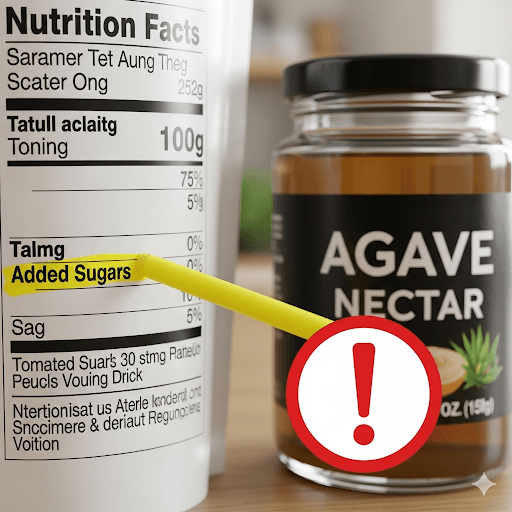
6. The "Health Foods" That Are Making You Sick
You're a savvy consumer. You read labels, you watch for fat content, and you consciously choose "healthy" foods. But the food industry is full of tricks.
Many products marketed as wholesome and good for you are actually loaded with hidden sugars, often disguised under names like agave nectar, brown rice syrup, or fruit juice concentrate [8]. Granola bars, flavored yogurts, smoothies, and even some salad dressings can be sugar bombs in disguise.
This is a counterintuitive point because you feel like you're making the right choice, but you’re sabotaging yourself without even realizing it. The high sugar content in these foods can cause a dramatic spike in your blood sugar, followed by a crash.
This cycle can lead to increased cravings, feelings of hunger, and a greater tendency to store fat, especially around the midsection.
The Simple Fix: Become a Label Detective
It’s time to look past the front of the box and become a master of the nutrition label. The first thing you should do is look for "added sugars" and choose products that contain less than 5 grams per serving. The food industry loves to use different names for sugar, so check the ingredient list for anything ending in "-ose" (like dextrose or maltose), or any type of syrup.
But the real fix is to move away from processed "health" foods altogether. Instead of a pre-made granola bar, make your own trail mix with nuts, seeds, and a few pieces of dark chocolate. Instead of a store-bought smoothie, blend your own with whole fruits and a scoop of protein powder.
When you take control of the ingredients, you take control of your health. You’ll be surprised at how much better real food tastes once you break free from the cycle of hidden sugars.
Your takeaway: The healthiest food is the one without a label.

7. Your Social Life Is Sabotaging Your Metabolism
Think about your social life. It's a wonderful thing, full of laughter, connection, and joy. It's also a minefield for your metabolism. You've probably heard that dining out is bad for you, but it’s more insidious than that. It’s the ritual of social eating that gets you.
Every time you meet a friend for coffee, have a birthday dinner, or attend a potluck, you’re not just having a good time. You’re subtly shifting your eating patterns in a way that’s almost impossible to track.
Dining out, for instance, adds an average of 134 extra calories per meal compared to eating at home [1]. But that’s just an average. For someone over 40, that number can easily climb much higher. And it’s not just the food. It's the drinks, the appetizers, the bread basket you never asked for. It's the pressure to try "just one bite" of your friend’s dessert.
These little choices feel small and harmless in the moment, but they create a cumulative calorie surplus that your body readily stores. The joy of connection, without a clear strategy, becomes a stealthy pathway to weight gain.
The Simple Fix: Strategize for Social Occasions
You don't have to give up your social life. You just need a new playbook. Instead of approaching every social event with a free-for-all mindset, make a plan.
Designate “social meal days” in your weekly calendar. If you know you're having dinner out on Friday, consciously choose lighter, home-cooked meals for the rest of the week.
Before you leave the house, eat a small snack that's high in protein, like a handful of almonds or a scoop of cottage cheese. This curbs your initial hunger so you're not ravenous when you arrive
When you get to the restaurant, be the first to order water with a lemon wedge. It's a simple act that signals to your brain that you're in control.
The key is to change the default. Your default is to eat and drink what’s available. Your new default is to be intentional and strategic.
Your takeaway: Don’t let your social life be a secret saboteur. Be proactive, not reactive.
Your Body Isn't Broken, It's Just Misunderstood
You’ve spent years following the rules, doing the things you’re supposed to do, and still, it felt like your body was failing you.
You may have worried that something was fundamentally wrong, that this frustrating battle was just a new, permanent reality.
But now you know the truth. You’ve just been fighting the wrong war. The culprits weren’t a lack of effort or discipline; they were subtle, hidden forces you couldn't have seen on your own.
Take a deep breath. Let go of the guilt and the fear. This isn’t your fault. This is about information and strategy. You've now been given a new map, one that shows you the real reasons for the terrain you're on.
Think about what you've just discovered: your social life, your decision-making, and even your "healthy" habits were working against you.
Remember Monica, the 46-year-old marketing consultant, struggling to make sense of her weight gain despite all her efforts? After discovering these hidden culprits, in this article, a flicker of hope ignited for her.
The frustration of working so hard without seeing any results began to fade. The confusion she felt about her body's mysterious weight gain was replaced with clarity.
The fear that something was fundamentally “wrong” with her body or metabolism lifted completely. Most of all, she felt a profound sense of relief.
She realized she wasn’t at fault, that this wasn’t a personal failing, and that the "broken" feeling wasn’t permanent. Her problems were not only real but, best of all, they were fixable.
Like Monica, with these new insights, you too have the power to turn things around.
This is your moment to find freedom. It’s time to stop the endless cycle of frustration and start living in a body that works with you, not against you.
You’re not starting over; you’re starting smarter. And that changes everything.
"Ready to stop the frustration and start seeing results? Get your '21 Free Keto Recipes' e-book now and discover how delicious and easy it is to nourish your body and boost your metabolism!"
References
[1] Ann Wellness, D. (2022). Does dining out mean eating more calories?. Drannwellness.com.
[2] MacLean, A. (n.d.). What doctors wish patients knew about decision fatigue. American Medical Association.
[3] MacLean, P. S., Higgins, J. A., Jackman, M. R., Johnson, G. C., Fleming, A. N., & Wyatt, H. R. (2015). The metabolic push-pull of weight loss and regain. Obesity Research & Clinical Practice, 9(3), 209-216.
[4] American Medical Association. (n.d.). Gut Microbiota and Weight Regulation. American Medical Association.
[5] Magne, F., Gotteland, M., Gauthier, F., & Zgarda, G. (2018). The Firmicutes/Bacteroidetes ratio: A relevant marker of gut dysbiosis in obese patients? Microorganisms, 6(4), 1-13.
[6] Cleveland Clinic. (n.d.). Hypothyroidism (Underactive Thyroid): Symptoms & Treatment. Cleveland Clinic.
[7] Verywell Health. (n.d.). Dealing With Weight Loss Plateaus in Hypothyroidism. Verywell Health.
[8] iHealD. (n.d.). Toxic 'Healthy' Foods: Surprising Ingredients That Could Be Spiking Your Blood Sugar. iHealD.
[9] Health, N. (n.d.). Understanding cortisol's role in weight gain. Nuvance Health.
[10] Sharma, N., Madan, N., & Sharma, A. (2022). Stress and Mental Health in Obesity. MDPI, 5(2), 20.
JOIN MY MAILING LIST
Ketogenicaid
All rights reserved © 2025 ketogenicaid